








Be the first to comment
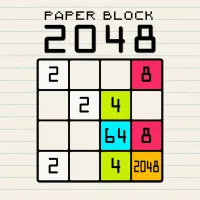
Paper Block 2048 brings the familiar number-merging puzzle to a colorful notebook-style board. Slide matching paper tiles together, double their values, and keep enough open cells to continue building toward 2048.
The game offers three selectable grid sizes: 4×4, 5×5, and 6×6. Each mode keeps its own high score, giving you three different boards to master with keyboard or touchscreen controls.
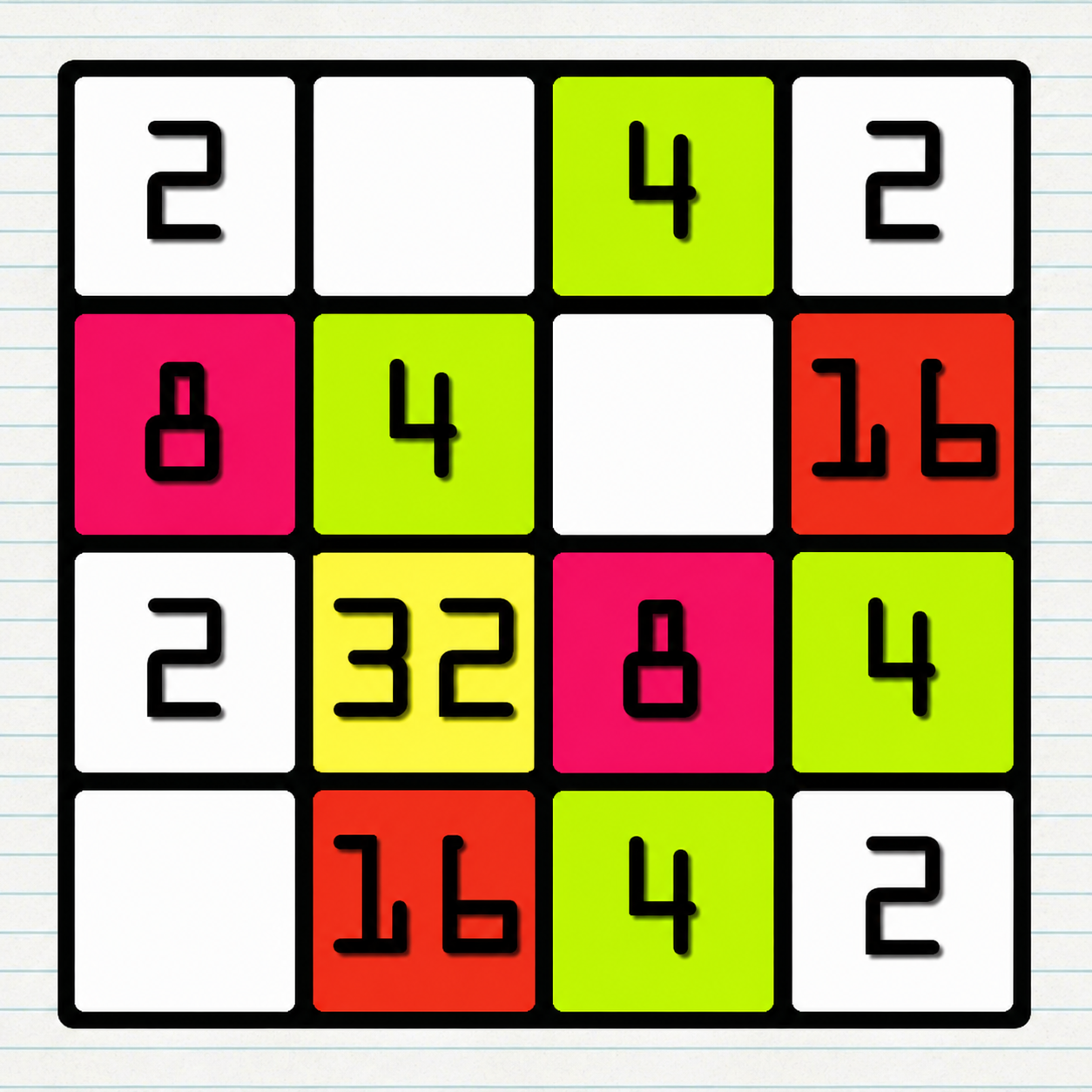 Paper Block 2048: Colorful Tile Merge
Every move slides all blocks across the grid in one direction. When two blocks with the same number meet, they merge into a single block with double the value.
The sequence begins with small numbers:
A new numbered block appears after each valid move. This slowly fills the empty cells and leaves less space for future combinations. The round ends when the grid is full and no matching blocks can be merged.
You can continue playing after reaching 2048 if there is still room on the board. This gives you a chance to build larger numbers and improve your score.
Paper Block 2048 includes three modes, each using a different grid size:
Easy mode uses the classic 4×4 layout and keeps the board compact. It is a good place to learn how blocks move and practice keeping your largest number in one area.
Medium mode adds an extra row and column. The larger 5×5 grid creates more possible routes for moving blocks, but it also gives you more positions to monitor.
Hard mode expands the puzzle to a 6×6 grid. More blocks can remain in play, so planning long merge chains and keeping the wider board organized become increasingly important.
Each grid size has its own high-score record. You can switch between modes and try to set a new personal best on every board.
Random swipes may work at the beginning, but they usually create trouble later. A better approach is to choose one corner and keep your largest block there.
Build smaller numbers beside that corner in descending order. For example, placing 128 next to 64, then 32 and 16, creates a clear structure for future merges.
Try not to use all four directions equally. Moving away from your chosen corner can pull the largest block out of position and separate numbers that were close to merging.
Empty cells are also valuable. You do not need to combine every available pair immediately. Sometimes keeping extra space open gives you more options on the next move.
Want another take on the classic merging puzzle? Try these games next: