





Be the first to comment
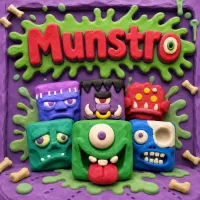
Munstro transforms number merging into a colorful creature-collecting puzzle. Drop handmade clay monsters onto the board, combine matching pairs, and gradually unlock all eleven characters. Its simple rules make the game easy to understand, while limited board space turns every placement into an important decision.
The plasticine artwork gives Munstro a playful identity. Each creature has its own combination of bright colors, crooked teeth, unusual eyes, and expressive features. Discovering a new monster feels rewarding because every successful upgrade reveals another handcrafted design.
Behind the cheerful presentation is a thoughtful space-management challenge. Careless placements can separate matching monsters and leave fewer positions available for future moves. Reaching the final creature requires both consistent merging and careful organization.
A monster appears above the board at the beginning of each turn. Move it to the desired position and release it. When two identical monsters meet, they combine to create the next creature in the sequence.
Each merge awards points, while higher-level combinations help complete the monster collection shown beneath the board. Newly discovered creatures receive a special introduction screen that displays the monster and its point value.
The main objective is to unlock the eleventh monster without running out of space. As more creature types appear, arranging useful pairs becomes increasingly difficult. You must consider both the current placement and how it will affect later combinations.
Munstro offers four board options:
The 3×3 board creates quick and demanding rounds because there is little room for mistakes. Larger boards provide more space for planning combinations, but they can also become difficult to organize when several monster types are in play.
These options allow players to choose between a compact challenge and a longer session with more opportunities to build advanced creatures.
Keep lower-level monsters close enough to form quick pairs, but avoid overcrowding a single area. Leaving several open positions gives you more flexibility when an inconvenient creature appears.
Place advanced monsters where they will remain accessible. These creatures require many earlier combinations to create, so trapping one behind unrelated pieces can delay your progress.
Pay attention to the entire board instead of focusing only on the next merge. Scoring points is useful, but maintaining open space is essential if you want to discover all eleven monsters.
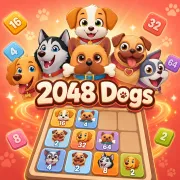
If you enjoy Munstro, try Swipe Sushi, which replaces monsters with colorful pieces of sushi and challenges you to combine matching items. Rhythm Merge adds a musical twist to the merging formula, connecting each move with rhythm-inspired presentation. 2048 Dogs is another charming option where identical dog images combine to reveal new breeds. All three games feature accessible rules, progressive discoveries, and increasingly difficult board-management decisions.